Early Warning Signs That Call for Periodontal Treatment
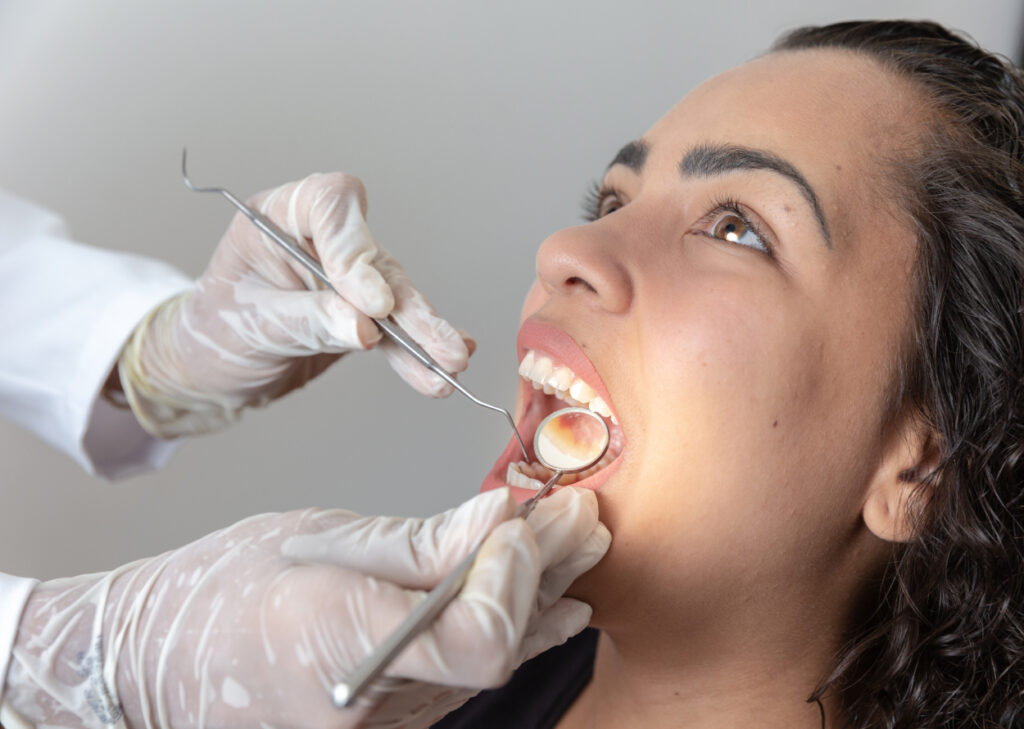
Most gum disease does not arrive with a dramatic warning. It tends to show up quietly, in the small changes people explain away for months or even years. A little bleeding when brushing. A faint metallic taste in the morning. Teeth that feel slightly different when flossing, though not exactly painful. That quiet beginning is part of what makes periodontal disease so easy to miss and so costly to ignore.
In practice, many patients seek help only when something becomes hard to overlook, such as swelling, persistent bad breath, tenderness when chewing, or visible gum recession. By then, the issue often extends beyond simple gingivitis. The tissues supporting the teeth may already be inflamed, weakened, or infected. At that stage, periodontal treatment is not about polishing the surface. It is about protecting the bone and connective structures that hold teeth in place.
The encouraging part is that early intervention changes the picture significantly. When warning signs are recognized early, treatment is usually more conservative, recovery tends to be smoother, and the long-term outlook is much better. Knowing what to watch for can help you act before a manageable problem becomes a complex one.
Why gum changes deserve prompt attention
Healthy gums are firm, pale to medium pink depending on natural pigmentation, and they fit snugly around the teeth. They should not bleed during ordinary brushing or flossing. They should not feel puffy, tender, or itchy. Most people have a rough sense of what their mouth normally feels like, even if they do not think about it often. When that baseline changes, there is usually a reason.
Periodontal disease begins with inflammation caused by bacterial plaque accumulating around the gumline. If that plaque is not removed consistently, it hardens into tartar, which cannot be brushed away at home. The gums react to the bacterial buildup with inflammation, and over time that inflammation can spread deeper below the surface. Once it does, the attachment between the gums and teeth can begin to break down. Pockets form. Bone support can diminish. Teeth that once felt stable can slowly loosen.
This process is not always painful. In fact, one of the more frustrating realities of gum disease is that serious damage can develop with very little discomfort. People often associate dental problems with pain, but periodontitis does not always follow that rule. A patient may have advanced tissue destruction and still describe the area as only mildly irritated.
That is why the early signs matter so much. They are often subtle, but they are clinically meaningful.
Bleeding gums are not normal, even if they are common
One of the most overlooked signs is bleeding during brushing or flossing. People say things like, “I must have flossed too hard,” or “That always happens a little.” While aggressive brushing can irritate the gums, routine bleeding is not a harmless quirk. In most cases, it signals inflammation.
Think of the gums the way you would think of skin elsewhere on the body. If your skin bled every time you washed it lightly, you would not consider that healthy. Gum tissue follows the same logic. Inflamed gums become more fragile and more likely to bleed with minor contact.
The tricky part is that bleeding can come and go. Someone may notice it for a week, then see it disappear and assume the problem resolved. Often, what changed was not the disease itself but the pressure placed on the tissue that day, the level of recent plaque accumulation, or how consistently the person cleaned along the gumline. Intermittent bleeding still counts.
When patients report bleeding that has persisted for more than a week or two, especially if it occurs in the same areas, that is a strong reason to schedule an evaluation. Early periodontal treatment can often stop progression before deeper structures are affected.
Redness, puffiness, and a change in gum contour
Gum disease changes the appearance of the tissue as well as the way it feels. Healthy gums usually have a crisp edge around the teeth. Inflamed gums lose that definition. They may look shiny, swollen, or darker red than usual. Sometimes the swelling is mild enough that only a dentist or hygienist notices it at first. Sometimes it becomes obvious in photographs or while looking closely in a bathroom mirror.
A common pattern is puffiness between the teeth, where plaque tends to collect and flossing is often inconsistent. Patients may describe the area as “spongy” or say food catches there more than it used to. Those small shifts matter. The gum tissue is responding to irritation, and if the cause is not addressed, the inflammation may move below the gumline.
This is one of those signs that people underestimate because it does not feel urgent. But swelling is evidence that the immune system is actively reacting. In a healthy mouth, the gums should not remain enlarged or tender day after day.
Persistent bad breath that brushing does not fix
Bad breath is not always a periodontal problem. Dry mouth, diet, sinus issues, and certain medications can all contribute. But when bad breath becomes chronic and does not improve with good brushing, flossing, and tongue cleaning, gum disease moves high on the list of possibilities.
Bacteria living below the gumline produce compounds with a strong, unpleasant odor. Patients often notice a bad taste first, especially upon waking or after long periods without eating. Others do not recognize it themselves and hear about it from a spouse or close friend. That can be embarrassing, which sometimes delays care. Still, it is worth addressing directly because it can be one of the clearest signs that bacterial buildup is not limited to the surface of the teeth.
In a clinical setting, persistent halitosis paired with bleeding gums, tartar buildup, and pocketing around the teeth often points toward the need for periodontal treatment rather than just a standard cleaning.
Gums that appear to be pulling away from the teeth
Receding gums are a major warning sign, though the cause is not always periodontal disease alone. Aggressive brushing, clenching, tooth position, and thin gum tissue can all play a role. Even so, recession deserves careful evaluation because periodontitis is one of the key reasons gum attachment is lost.
Patients often notice recession when teeth begin to look longer or when cold drinks suddenly trigger sensitivity near the gumline. Sometimes the change is first spotted in photographs taken months apart. That comparison can be surprisingly revealing. A tooth that looked balanced a year ago may now show more root surface, and the gumline may appear uneven.
Recession matters for several reasons. It can increase sensitivity, make the teeth more vulnerable to root decay, Additional hints and signal that the supporting structures are under stress. In cases tied to active gum disease, recession can occur alongside bone loss, which raises the stakes considerably.
Not every recessed area requires the same response. Some cases are stable and mainly cosmetic. Others indicate ongoing disease activity. The difference is not always visible without a proper exam that includes periodontal measurements and, when needed, dental imaging.
Teeth that feel different when biting or chewing
One of the more concerning signs is a change in the way teeth feel under pressure. People may not describe it as pain. Instead, they say a tooth feels “high,” “strange,” or “a bit mobile.” They may start chewing on one side without thinking much about it. Sometimes they notice spacing changes, especially between the front teeth.
That sensation can happen when inflammation affects the periodontal ligament, the tiny fibers that help anchor the tooth to the bone. As disease progresses, support can weaken. A tooth may begin to move slightly, even if the movement is not yet visible to the patient.
This sign should not be ignored. By the time a tooth feels loose or noticeably different, the problem may already be advanced. There are still effective options in many cases, but prompt evaluation becomes far more important. Periodontal treatment at this stage may involve deep cleaning below the gumline, targeted antimicrobial measures, occlusal adjustment if bite forces are contributing, and sometimes referral to a periodontist for specialized care.
Sensitivity that is new, localized, or increasing
Tooth sensitivity has many causes, including enamel wear, grinding, cavities, and whitening products. But sensitivity tied to exposed root surfaces or inflamed gums can be an early clue that the gum attachment is changing.
This kind of sensitivity often shows up with cold drinks, cool air, or toothbrushing. Patients sometimes assume they simply need a toothpaste for sensitive teeth. That may ease the symptom, but it does not explain why the sensitivity developed. If the underlying reason is recession related to gum disease, symptom relief alone is not enough.
A localized area of sensitivity, especially when paired with redness or bleeding in the same region, should be assessed rather than monitored indefinitely at home.
Pus, gum boils, or recurring sore spots
Some signs are less subtle and deserve immediate attention. If you notice pus around the gums, a pimple-like bump near a tooth, or a recurring swollen spot that drains and returns, infection may be present. These findings can point to a periodontal abscess or another active dental infection.
Patients often describe temporary relief after the area drains on its own, then delay care because the pressure seems to have passed. That is risky. Drainage does not mean the cause has resolved. It means the infection found an outlet, at least briefly.
When infection becomes acute, treatment decisions depend on the source and severity. Sometimes periodontal treatment alone addresses the issue. Sometimes the tooth also needs endodontic care, or in severe cases the long-term prognosis becomes guarded. Either way, this is not a wait-and-see situation.
When routine cleanings are no longer enough
A common misunderstanding is that all dental cleanings are essentially the same. They are not. A standard preventive cleaning is intended for mouths without significant active periodontal breakdown. Once gum pockets deepen and tartar extends below the gumline, the approach changes.
Periodontal treatment often includes scaling and root planing, which involves carefully removing plaque and tartar from below the gumline and smoothing the root surfaces so the tissue can heal more effectively. In some cases, localized antibiotics or antimicrobial rinses are used as part of the plan. Follow-up maintenance is also different. Instead of a six-month cleaning schedule, many patients benefit from periodontal maintenance visits every three to four months, especially during stabilization.
That difference matters because delaying the shift from routine prevention to periodontal care allows bacteria to remain in areas a regular cleaning cannot fully address. The mouth may look cleaner afterward, but the disease process continues below the surface.
Signs people often dismiss at home
Some symptoms are so common that they get normalized. These are the ones that often lead to delayed diagnosis:
- Bleeding when flossing, especially if it happens repeatedly in the same area
- Breath odor or a bad taste that returns soon after brushing
- A tooth that traps food more than it used to
- Increased sensitivity near the gumline
- Gums that look puffy or uneven in photos
Each sign on its own may seem minor. Together, they form a pattern that should not be brushed off.
Who tends to be at higher risk
Not everyone develops periodontal disease at the same rate. Two people can have similar home care habits and very different outcomes. Biology, habits, and medical history all shape risk.
Smoking remains one of the strongest risk factors. It reduces blood flow to the gums, impairs healing, and can mask inflammation, which means severe disease may progress with less visible bleeding. Diabetes, especially if poorly controlled, also increases susceptibility and can make periodontal inflammation harder to manage. Hormonal changes, certain medications that reduce saliva or affect gum tissue, a family history of gum disease, and chronic dry mouth can all influence the course of disease.
There is also a behavioral factor that dentists see every day. Many patients brush regularly but do not clean effectively along the gumline or between the teeth. Others receive dental care consistently but postpone recommended treatment because nothing hurts. That delay is understandable, but gum disease does not need pain to be destructive.
What happens during an evaluation for suspected periodontal disease
A periodontal evaluation is more thorough than many people expect, and that is a good thing. The goal is not just to identify inflammation but to determine how deep it goes and whether supporting structures have been affected.
A typical assessment includes measuring the depth of the spaces between the gums and teeth, checking for bleeding points, evaluating recession, testing tooth mobility, and reviewing X-rays for bone loss. The pattern matters. Generalized mild inflammation suggests one type of problem. Isolated deep pockets around a few teeth suggest another. Sometimes old dental work, bite stress, or difficult root anatomy creates localized trouble spots that need a tailored plan.
Treatment recommendations depend on those findings. A patient with early gingivitis may improve dramatically with a professional cleaning and better home care. A patient with moderate periodontitis usually needs active periodontal treatment and closer maintenance afterward. Advanced cases may require surgical intervention, grafting, or regenerative procedures, especially if preserving strategic teeth is a priority.
This is where judgment matters. Not every deep pocket needs the same response, and not every tooth with bone loss has the same prognosis. The best plans account for severity, risk factors, patient habits, and long-term restorability.
What you can do before your appointment
If you suspect a gum problem, home care still matters, but it should not replace an evaluation. There are, however, a few sensible steps that help while you are waiting to be seen.
- Brush gently but thoroughly twice a day with a soft-bristled brush
- Clean between the teeth daily with floss or interdental brushes, depending on the spaces
- Rinse with water after meals if food packing is an issue
- Avoid tobacco in all forms
- Make note of when symptoms occur, such as bleeding, swelling, or sensitivity in a specific area
One practical point is worth emphasizing. If your gums bleed, do not stop cleaning the area altogether. People often avoid the spot because it seems irritated, but plaque then builds faster and the inflammation worsens. The better approach is to clean gently and consistently while arranging professional care.
The cost of waiting is usually greater than the cost of early care
Patients sometimes postpone periodontal treatment because they hope the issue will settle on its own, or because the symptoms seem tolerable. In mild cases, there may be a short window where professional cleaning and improved home care reverse the inflammation. But once attachment loss and bone damage occur, the body does not simply rebuild those structures without targeted treatment, and even then the results vary.
Waiting can mean deeper pockets, more recession, additional bone loss, increased tooth mobility, and more expensive care later. A case that might have been managed with nonsurgical therapy can progress to one that calls for surgery, extraction, or replacement options such as implants or bridges. From a purely practical standpoint, early care is usually less invasive, less costly, and easier to live with.
There is also a quality-of-life issue. Chronic gum inflammation affects comfort, breath, confidence, and the ability to chew without worry. Those are not minor concerns. They shape daily life more than many people realize.
A final practical standard
If your gums bleed regularly, look swollen, have started to recede, or your teeth feel different when you bite, that is enough reason to book an exam. You do not need severe pain to justify concern. You do not need dramatic swelling or obvious looseness before asking whether periodontal treatment is necessary.
The mouth gives early warnings, but it does so quietly. The people who keep their teeth longer are often not the ones with perfect genetics or flawless habits. They are the ones who take those quiet signs seriously and act while the problem is still manageable.
Avra Dental
Address: 1708 S Victoria Ave B, Ventura, CA 93003
Phone number: (805) 941-1001
FAQ About Periodontal Treatment
Can a dentist get rid of periodontal disease?
A dentist or gum specialist (periodontist) cannot fully cure or reverse advanced periodontal disease (periodontitis), but they can successfully stop its progression and manage the infection.
Is periodontitis very serious?
Yes, periodontitis is a very serious, advanced form of gum disease that destroys the bone and tissues supporting your teeth.
How is stage 2 periodontal disease treated?
Stage 2 periodontal disease (early to moderate periodontitis) is primarily treated with non-surgical deep cleaning procedures like scaling and root planing to remove bacteria and tartar below the gumline.