Can Affordable Periodontal Treatment Still Deliver Great Results?
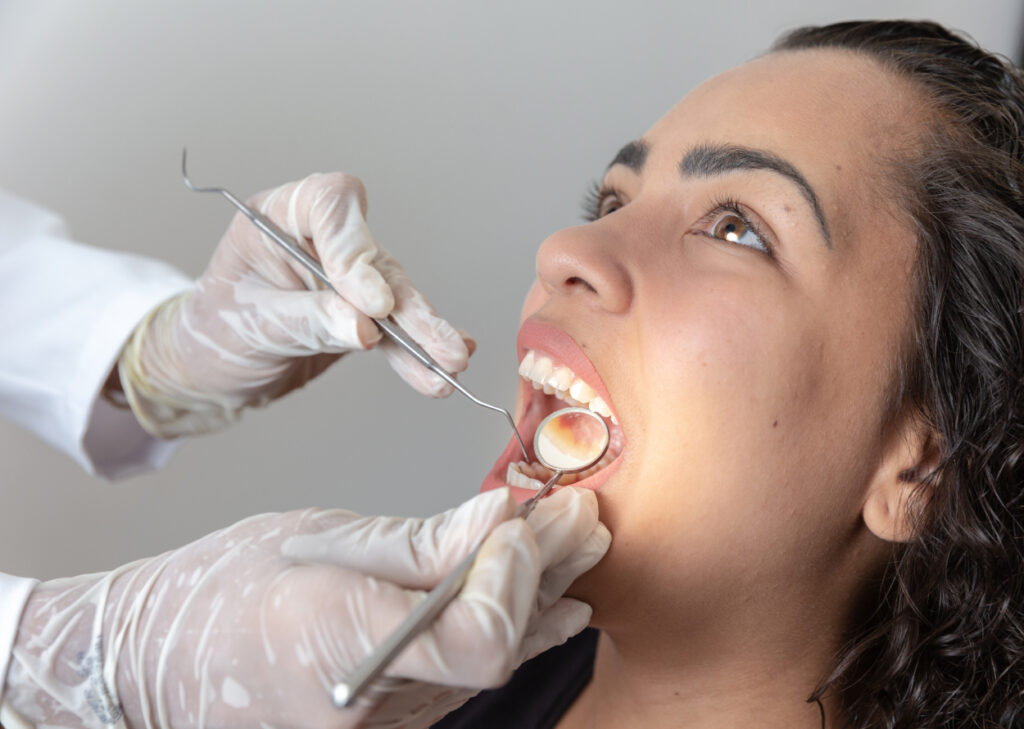
The short answer is yes, affordable periodontal treatment can absolutely deliver strong results. The longer answer is more useful, because outcomes depend less on whether treatment is expensive and more on whether the diagnosis is accurate, the plan is appropriate, the care is performed well, and the patient follows through at home.
That distinction matters. Many people hear the word "periodontal" and assume they are headed for a long, costly, highly specialized process. Sometimes that is true. Advanced gum disease can require deep cleaning, close maintenance, local antibiotic therapy, surgical correction, bone grafting, or referral to a periodontist. But a large number of gum problems improve significantly with straightforward, well-executed care that is not extravagant at all.
I have seen patients spend heavily on cosmetic work while ignoring inflamed gums underneath, and I have seen others restore gum health with a practical, staged treatment plan that fit a tight budget. Price alone is a poor predictor of success. Good care is not the same thing as luxury care.
What affordable really means in periodontal care
Affordable does not mean cheap in the careless sense. It should mean cost-conscious, evidence-based, and proportionate to the actual condition being treated. A fair periodontal treatment plan focuses on what is necessary first, delays what can safely wait, and avoids dressing up routine care as something more sophisticated than it is.
For mild gingivitis, affordability may mean a comprehensive cleaning, better home care instruction, and a follow-up to make sure the gums respond. For moderate periodontitis, it may mean scaling and root planing in the affected areas, then reassessment after the tissue has had time to heal. For a patient with severe bone loss, affordability may mean sequencing treatment so the most urgent sites are managed first while a longer-term plan is built around finances and risk.
This is where patients sometimes get tripped up. They compare one number to another without comparing what is actually being done. A low quote for "gum treatment" may cover only a basic cleaning, even when deep pockets suggest more is needed. A high quote may bundle diagnostics, localized antimicrobials, several maintenance visits, and reevaluation. Neither number tells the whole story on its own.
The right question is not "What is the cheapest periodontal treatment?" It is "What treatment gives me the best chance of stopping the disease without paying for things I do not need?"
Why some lower-cost treatment works very well
Gum disease is not mysterious. It is driven primarily by bacterial biofilm, calculus, inflammation, and the body's response to that burden. When treatment removes those irritants effectively and the patient can keep the area cleaner afterward, the tissue often responds impressively.
That is why non-surgical periodontal treatment remains the backbone of care for many cases. Deep cleaning, more precisely scaling and root planing, is not glamorous. It does not sound advanced. It also works. Reduce the bacterial load, smooth the root surfaces where deposits cling, disrupt the inflammatory cycle, and many pockets shrink enough to become maintainable.
A patient with four to five millimeter pockets and bleeding on probing may not need expensive surgery to get a very good result. If the root debridement is meticulous and the patient improves brushing, interdental cleaning, and maintenance attendance, the gums can become firmer, less swollen, and far less prone to bleeding. Pocket depths can improve by a millimeter or two, sometimes more. That may not sound dramatic, but clinically it can be the difference between ongoing breakdown and stable health.
Even in more advanced cases, affordable periodontal treatment can make a major difference when it is used wisely. A staged approach often produces real gains before anyone discusses surgery. In practice, the first phase of treatment tells you a great deal. Inflamed tissue can make pocketing look worse than it is. Once swelling decreases, the true anatomy becomes clearer, and some sites that looked surgical at first may become manageable with maintenance alone.
Where results usually come from
People often assume the outcome hinges on the brand name of a clinic or the price of the visit. In reality, the result usually comes from several unglamorous factors working together:
- A careful diagnosis, including pocket charting and radiographic review
- Thorough removal of plaque and calculus below the gumline
- A realistic home care routine the patient can actually sustain
- Timely reevaluation and periodontal maintenance
- Early action before deep destruction sets in
Each of those steps matters more than polished marketing or a waiting room full of expensive finishes. A modest practice with a conscientious hygienist and a dentist or periodontist who pays attention can outperform a premium-fee office that rushes care.
The parts of treatment that should not be skipped
Affordability has limits. There are corners that can be cut safely, and corners that should not be cut at all.
A full-mouth periodontal chart is not busywork. Without measuring pocket depths, bleeding points, recession, and mobility, treatment becomes guesswork. Radiographs are also important when bone loss, calculus deposits, furcation involvement, or failing restorations may be part of the problem. If someone proposes periodontal treatment without proper assessment, the low price loses its appeal very quickly.
Adequate time is another non-negotiable. Deep scaling done too quickly may leave substantial deposits behind, especially in deep pockets, root concavities, and molar furcations. Patients do not always know whether the treatment was comprehensive, but the tissues will show it later. Persistent bleeding, continued deep pockets, and early relapse often reflect incomplete initial therapy or poor maintenance.
Reevaluation is equally important. Gums need time to respond, usually several weeks after active treatment. That follow-up visit tells the clinician which areas improved, which still bleed, which pockets remain deep, and whether surgical referral should be considered. Skipping reevaluation is like repairing part of a roof and never checking for leaks after the next storm.
What can make treatment cost more without improving the outcome
Not every added fee is a red flag, but some treatment plans become expensive for reasons that do not clearly improve periodontal health.
One common issue is overcomplication. A patient with generalized gingivitis may be sold an extensive package involving multiple adjunctive products, repeated laser sessions, or branded therapies when a proper cleaning and disciplined home care would likely do the job. Some adjuncts have a place. The problem starts when they are presented as essential for every patient.
Another issue is poor sequencing. Replacing crowns, veneers, or implants before stabilizing gum inflammation can waste money. If the periodontal foundation is weak, cosmetic and restorative work often becomes harder to maintain and may need revision sooner.
There is also the simple matter of setting. A boutique office in a high-rent district may charge more for the same non-surgical periodontal treatment that a well-run neighborhood practice provides competently for less. Higher overhead does not automatically mean higher clinical quality.
When lower-cost care may fall short
There are cases where affordability can become false economy. Severe periodontitis, especially with deep angular defects, furcation involvement, mobile teeth, or generalized advanced bone loss, may exceed the limits of routine non-surgical management. In these situations, the least expensive path upfront can lead to repeated temporary fixes, ongoing inflammation, and eventual tooth loss.
I have seen this pattern in patients who bounce between emergency visits and basic cleanings for years. They are told to "watch" deep pockets that keep bleeding. They receive antibiotics without proper debridement. They postpone specialist evaluation because they want to save money. Then one day a molar fractures, or an anterior tooth begins to drift, and the total cost rises sharply.
Affordable treatment works best when it matches the disease. It works poorly when it is used to under-treat a condition that clearly needs more than a basic approach.
That does not mean every difficult case requires the most expensive option on the menu. It means the patient deserves a clear explanation of the likely outcomes of each approach. Sometimes the most sensible budget-conscious plan is strategic extraction of hopeless teeth, periodontal stabilization of the rest, and a careful restorative plan built over time. Spending less on teeth with poor prognosis can actually protect the budget for treatments with a better return.
The patient factor is larger than most people realize
Periodontal treatment is unusual in one important respect. The professional can do excellent work, but the long-term result still depends heavily on what happens at home. Plaque reforms quickly. That is not a failure of treatment, it is biology.
This is one reason affordable periodontal treatment can succeed so often. Patients who follow instructions consistently may do extremely well after modest interventions. Patients who do not change their home care may see mediocre results even after expensive procedures.
A practical home routine beats an aspirational one every time. Two minutes of deliberate brushing along the gumline, once in the morning and once before bed, matters. Interdental cleaning matters. For some people that means floss. For others, small interdental brushes work better and are easier to maintain. If dexterity is an issue, a power toothbrush can help. Chlorhexidine rinses may have a short-term role in select cases, though not as a substitute for mechanical cleaning.
The patients who do best are rarely the ones with the most elaborate product shelf. They are the ones who understand where the disease is active and clean those sites thoroughly, day after day.
Signs that a lower-cost provider may still offer excellent care
Patients are often nervous about choosing a provider when prices vary widely. A few practical observations can help separate genuine value from bargain-basement shortcuts.
- The office explains your periodontal findings clearly, not vaguely
- Measurements, bleeding, and radiographs guide the treatment plan
- The clinician discusses what is necessary now and what can wait
- You are given a reevaluation timeline rather than a one-and-done promise
- Home care instruction is specific to your mouth, not generic advice
Those signs reflect judgment and process. They are more reliable than décor, advertising, or a dramatic before-and-after photo album.
A strong clinician will also be honest about limitations. If certain areas may not respond fully without surgery, they should say so. If a tooth has a guarded prognosis, they should say that too. Transparency is one of the best markers of quality.
How maintenance determines whether the initial investment pays off
This is the part many patients underestimate. Active periodontal treatment is only the first chapter. Maintenance is what protects the improvement.
Once a patient has had periodontitis, the gums generally need more than standard six-month cleanings, at least for a period of time. Three-month periodontal maintenance is common because it disrupts biofilm before it matures and helps catch recurrence early. Some patients can eventually stretch intervals based on stability, smoking status, home care, diabetes control, and pocket depths. Others should not.
From a financial standpoint, maintenance is often the best bargain in dentistry. Paying for regular periodontal maintenance visits can prevent the much larger expense of re-treatment, surgery, tooth loss, implants, or complex bridgework. It also reduces the soft costs, pain, disruption, and uncertainty that come with avoidable disease progression.
I often think of periodontal maintenance the way I think of servicing a car after repairing the engine. The dramatic repair gets attention, but the scheduled upkeep is what keeps the system from sliding back into failure.
The hidden costs of chasing the lowest number
There is a difference between https://beauzmku971.slatecurrent.com/posts/can-periodontal-treatment-reverse-gum-disease value and a low sticker price. Very low fees sometimes come with hidden compromises that patients only discover later. Appointments may be too short. Anesthesia may be inadequate, making thorough instrumentation difficult. Follow-up may be absent. The clinician may treat the whole mouth as if every area is identical, even when disease is localized and needs more focused work in some sites than others.
There can also be communication costs. If a patient leaves without understanding whether they have gingivitis or periodontitis, which teeth are high-risk, or why they need more frequent visits, adherence drops. That uncertainty can sabotage an otherwise decent treatment.
The most expensive periodontal care is often the care that has to be repeated because the first round was incomplete, misapplied, or unsupported by maintenance.
Special situations that change the equation
Some cases deserve extra nuance. Smokers often respond less favorably to periodontal treatment, and the disease can appear deceptively quiet because bleeding is masked. People with uncontrolled diabetes may heal more slowly and show more persistent inflammation. Patients with crowns that overhang, crowded lower incisors, dry mouth, or a history of grinding can present ongoing challenges that affect both treatment response and long-term maintenance.
There is also the question of age. Younger patients with early but aggressive tissue breakdown should not be brushed off because they "seem too young" for gum disease. They may need more intensive care sooner, and delaying that care to save money can be particularly costly over decades. On the other hand, an older patient with stable attachment levels, limited dexterity, and a fixed income may benefit more from a simplified, maintainable plan than from heroic interventions with uncertain advantage.
This is where experience matters. Good periodontal treatment is not only about what can be done, but what makes sense for this patient, in this mouth, at this stage of disease, with this budget and this ability to maintain the result.
Questions worth asking before you agree to treatment
Cost conversations go better when the patient knows what to ask. You do not need to become an expert overnight, but a few direct questions can reveal whether the plan is thoughtful.
Ask what diagnosis you have, gingivitis or periodontitis, and how severe it is. Ask how many pockets are deep, whether bone loss is visible on radiographs, and whether any teeth are mobile or have furcation involvement. Ask what result the provider expects from non-surgical treatment alone and when they will reassess. If surgery might be needed later, ask what signs would lead to that recommendation.
It is also reasonable to ask whether treatment can be staged. Many patients cannot pay for everything at once, and responsible staging is often possible. A clinician who understands real-world budgets should be able to prioritize the most urgent areas while keeping the larger picture intact.
So, can affordable periodontal treatment still deliver great results?
Yes, often it can, and sometimes remarkably so. The best results usually come from accurate diagnosis, competent non-surgical care, sensible use of specialist treatment when needed, and a patient who takes maintenance seriously. None of that requires extravagance. What it requires is discipline, judgment, and follow-through.
If your gums are inflamed, bleeding, or showing signs of attachment loss, do not assume that good care is out of reach unless you spend at the highest end of the market. At the same time, do not let a very low quote distract you from the essentials of proper periodontal treatment. The goal is not to buy the cheapest procedure. The goal is to stop the disease, preserve the teeth that can be saved, and create a condition you can maintain for years.
When those pieces line up, affordable care is not a compromise. It is simply good dentistry practiced with clarity and restraint.
Avra Dental
Address: 1708 S Victoria Ave B, Ventura, CA 93003
Phone number: (805) 941-1001
FAQ About Periodontal Treatment
Can a dentist get rid of periodontal disease?
A dentist or gum specialist (periodontist) cannot fully cure or reverse advanced periodontal disease (periodontitis), but they can successfully stop its progression and manage the infection.
Is periodontitis very serious?
Yes, periodontitis is a very serious, advanced form of gum disease that destroys the bone and tissues supporting your teeth.
How is stage 2 periodontal disease treated?
Stage 2 periodontal disease (early to moderate periodontitis) is primarily treated with non-surgical deep cleaning procedures like scaling and root planing to remove bacteria and tartar below the gumline.